DSCR Loans
DSCR Loans for Rural Properties in 2026: Financing the Rentals Most Lenders Will Not Touch
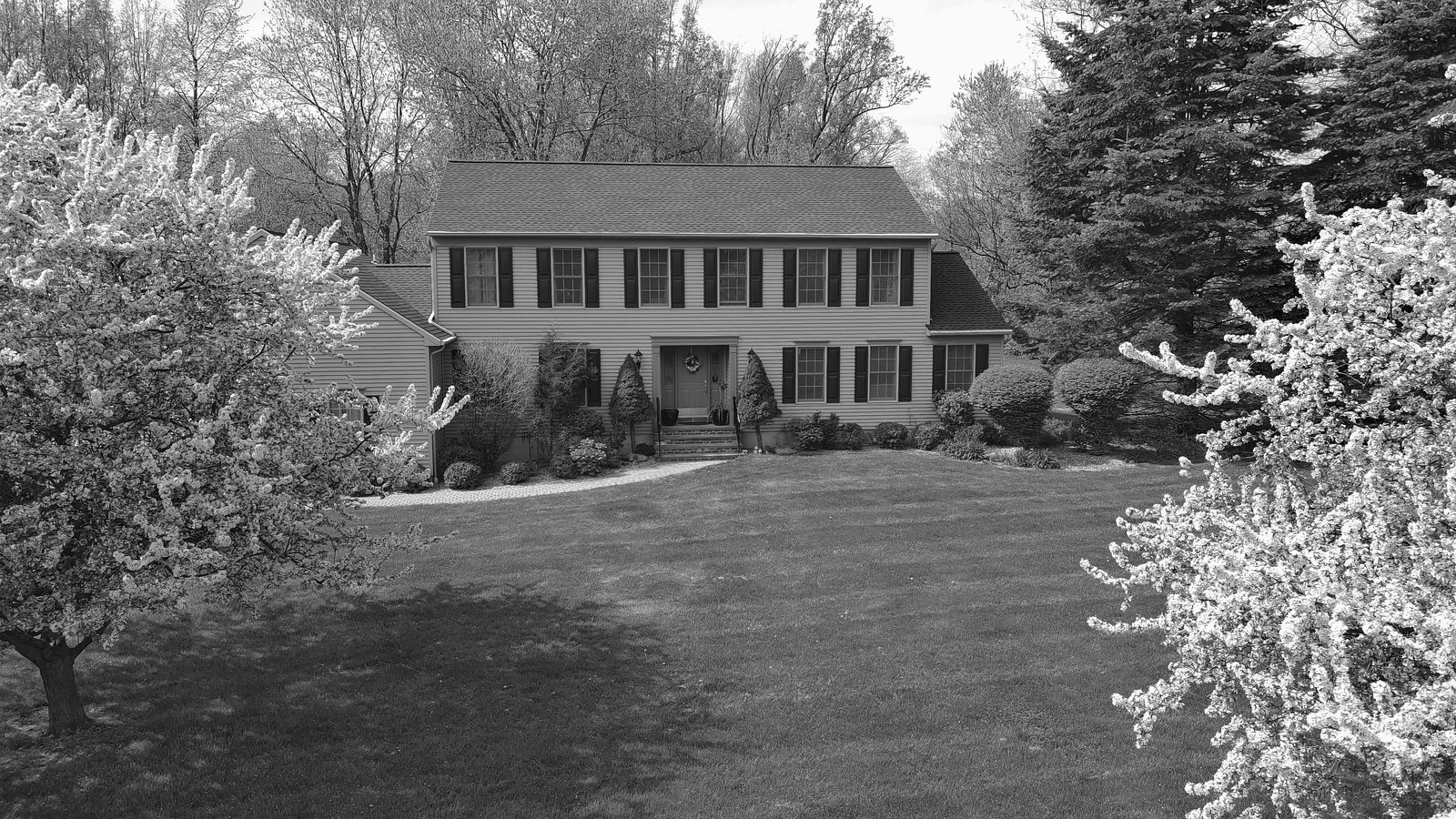
Published by James Loffredo | July 2026 | 9 min read
Key Takeaway
Yes, you can get a DSCR loan on a rural property. While most lenders decline rural files outright, Pinnacle Funding Network finances rural rentals through select lending partners whose programs were written for them: up to 75 percent LTV on a purchase, up to 70 percent on a rate-and-term or cash-out refinance, a DSCR ratio as low as 0.75 on select rural programs, properties on up to 20 acres, and agricultural zoning considered under certain criteria. Both long-term and short-term rentals qualify on the property's income, with no tax returns, and a clean file closes in 20 to 30 days.
Rural rental property is one of the most persistent blind spots in investment property lending. Investors buy homes outside the metro core every day, on five acres, on a county road, in a township the census calls rural, and then discover that the same lenders who quote a city duplex in an afternoon will not return calls about a farmhouse rental. The property cash-flows. The tenant demand is real. The loan is the problem. This article explains why rural files get declined, what a rural DSCR loan actually looks like through Pinnacle Funding Network, what the 20-acre allowance and agricultural zoning criteria mean in practice, and how to put together a rural file that closes. For the core product, see the DSCR loan program; for the short-term side of country property, the companion piece on financing a rural Airbnb or cabin goes deeper.
The Direct Answer: Yes, Rural Properties Can Get DSCR Financing
A DSCR loan qualifies on the property's rental income rather than your personal income. The lender divides the monthly rent by the monthly cost of ownership, and if the ratio clears the program floor, the deal stands on the asset. No tax returns, no W-2s, no employment verification. That logic does not stop at the city limits, and through select lending partners whose programs are built for rural property, Pinnacle Funding Network extends it to the homes most lenders leave behind.
The honest caveat is that rural underwriting is not identical to standard underwriting. Leverage runs modestly lower, the appraisal takes more care, and the property itself is examined more closely. What matters is that a real program exists with published terms, rather than the polite decline that rural investors are used to. Few lenders operate in this niche at all, which is precisely why it rewards the investors who know it exists.
Why Most Lenders Say No to Rural
Understanding the decline helps you build the file that gets approved. Three issues drive nearly every rural rejection.
Comparable sales are scarce. An appraiser supporting a value in a subdivision has a dozen recent sales within a mile. An appraiser in a rural township may have three sales in six months, none closer than five miles, on parcels that differ in acreage, outbuildings, and condition. Many lenders simply refuse the appraisal risk rather than price it.
The property sits outside the standard residential box. Acreage, barns, workshops, wells, septic systems, and agricultural zoning all push a rural home away from the tract-house template that standard programs are calibrated to. The property is not worse; it is different, and difference is what rigid programs cannot process.
Exit liquidity is thinner. A lender's last question is always what happens if it has to sell the collateral. A rural buyer pool is smaller and slower than a metro one, so a conservative lender either haircuts the value or walks. A rural program answers this with modestly lower leverage instead of a decline, which is the trade that makes the whole niche work.
The Rural DSCR Program: Terms That Actually Exist
Here is what rural financing looks like through Pinnacle Funding Network, stated plainly.
Leverage. Up to 75 percent loan-to-value on a purchase, and up to 70 percent on a rate-and-term or cash-out refinance. That sits one band below the standard DSCR ceilings of 80 and 75, which is the price of the thinner rural resale market, and it still leaves a rural investor pulling meaningful equity out of a refinance or buying with 25 percent down.
The ratio. The standard 1.0x DSCR floor applies, with best pricing at 1.25x and above, and select rural programs accept a ratio as low as 0.75 with a larger down payment. That flexibility matters in the country, where a solid home may rent modestly against its value as a long-term rental even while the total return story remains strong.
Acreage. Properties on up to 20 acres are eligible. The appraisal treats the home and land as one residential rental, so the acreage supports the residence rather than being underwritten as farmland. This single number solves the most common rural decline, the five-to-twenty-acre parcel that standard programs cap out at two.
Agricultural zoning. Considered under certain criteria. A hobby farm parcel or ag-zoned homestead that functions as a residential rental can be financed where the value rests in the home and the county permits residential use. Active commercial agriculture is a different asset class and a different loan. These files are confirmed case by case before you spend a dollar on third-party reports.
Both rental strategies. Long-term rentals and short-term rentals are both eligible. A farmhouse on a year lease and a cabin earning nightly revenue both qualify on the income they produce, which is the entire point of the DSCR calculation.
What Counts as Rural, and Why the Definition Matters
Lenders do not use a single definition of rural, but the working test combines distance from a metropolitan core, the density of surrounding development, lot size, and how the appraiser classifies the neighborhood. A home twenty minutes past the last suburb on two acres may underwrite as standard; the same home on twelve acres, forty minutes out, past where the sidewalks and comps end, is rural. The practical advice is not to guess. Send the address, and the classification question gets answered up front, along with which leverage band applies. Investors are often surprised in both directions: properties they assumed were unfinanceable are simply rural, and properties they assumed were rural are just outer-suburban files at full standard leverage.
How to Build a Rural File That Closes
Rural deals close when the file anticipates the questions. Four moves make the difference.
Give the appraisal room to succeed. Scarce comps make rural appraisals slower and more variable. Order early, expect a wider search radius, and where you have them, share the sales you know about; a local agent's knowledge of a private sale two roads over can genuinely help an appraiser working a thin market.
Document the income cleanly. A signed lease or a documented market-rent analysis carries the long-term file. For a short-term rural property, trailing booking statements or a recognized revenue projection do the work, exactly as they do on any STR file.
Get ahead of the property questions. Wells, septic systems, outbuildings, road access, and zoning each generate one underwriting question. Answer them in the submission rather than one at a time across three weeks: the septic inspection, the shared-drive agreement, the zoning letter. A rural file with the answers attached moves at the pace of a city file.
Size the reserves honestly. Rural tenancies can turn over more slowly, and repairs can cost more when the nearest contractor is an hour away. The standard 3 to 6 months of PITIA in reserves applies, and holding the upper end of that range strengthens both the approval and your own position as an owner.
Terms, Credit, and Rate
Everything else about a rural DSCR loan runs on the standard program chassis. The credit floor is 660 on most programs. Loans run from $55,000 to $5 million, held in an entity or personal name, with 30-year fixed, interest-only, and ARM structures available. As of June 2026, DSCR rates start at 5.8 percent for the strongest files and rise from there with FICO, loan-to-value, and the DSCR ratio; a rural file prices off the same sheet with the rural leverage bands applied, and there is no separate published rural rate. Pinnacle Funding Network serves investors in 48 states, and the DSCR calculator will give you a first read on how a rural property's rent and payment pencil before you ever send the file. For the full qualification walkthrough, the DSCR qualification guide and the complete DSCR guide cover every step.
An Honest Timeline
A clean DSCR file closes in 20 to 30 days through Pinnacle Funding Network, and a well-prepared rural file lands inside that window. The step that most often stretches a rural timeline is the appraisal, for the comp-scarcity reasons above, which is why we order it on day one and why the property answers belong in the initial submission. A rural file that arrives complete behaves like any other file; a rural file that arrives as a bare address behaves like a mystery, and mysteries take longer.
How to Start
Send the property address, the purchase price or current payoff, the actual or expected rent, and the acreage and zoning detail at pinnaclefundingnetwork.com/get-quote. Pinnacle Funding Network responds with a free same-day scenario quote in writing, rate, points, leverage band, and the DSCR threshold, with no credit pull and no obligation. If the property is rural, you will know which band it underwrites in before you commit to anything; if it is not as rural as you feared, you will know that too. Either way you get a real answer, which in this corner of the market is the rarest term of all.
James Loffredo is the Founder and Principal of Pinnacle Funding Network, an investment property lender serving real estate investors across 48 states. Reach the team at 214-846-8602 or info@pinnaclefundingnetwork.com.
Pinnacle Funding Network is a correspondent lender and loan originator. PFN originates loans and funds them through its network of institutional capital partners, who make final funding decisions; PFN may sell or assign loans at or after closing. Rates, terms, and programs are subject to change. All loan applications are subject to credit review, property appraisal, and underwriting approval. Rural program terms, including leverage bands, acreage limits, and agricultural zoning eligibility, vary by lending partner and are confirmed on a property-specific basis. Figures in this article are illustrative; actual terms depend on property-specific underwriting.